THE CAMBODIAN FARMER FEDERATION ASSOCIATION OF AGRICULTURAL PRODUCERS (CFAP CAMBODIA) IN COLLABORATION WITH FOS IN THE NATIONAL CAMBODIA FARMERS PLATFORM UNDER THE APFP-FO4A ORGANIZED THE WORKSHOP ON ACCELERATING THE TRANSORMATION OF FOOD SYSTEMS THROUGH THE IMPLEMENTATION OF THE UN FOOD SYSTEMS SUMMIT AND THE UN DECADE OF FAMILY FARMING!
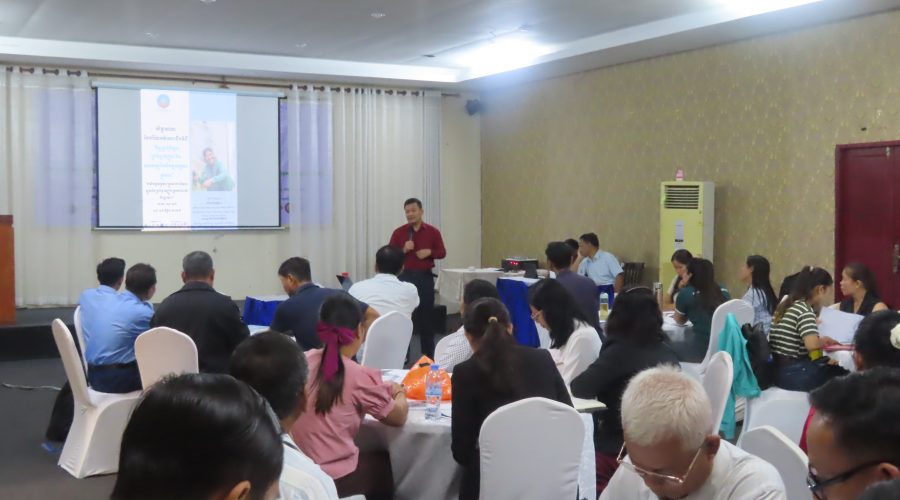
On November 14-15, 2025 in Phnom Penh, the Cambodian Farmer Federation Association of Agricultural Producers (CFAP) collaborated with other farmer organization partners in the Cambodian Farmers Platform under the framework of the APFP-FO4A project funded by IFAD, EU organized “the workshop on accelerating the transformation of food systems through the implementation of the UN Food Systems Summit and the UN Decade of Family Farming, and the Marketing First Strategy” to leaders of six farmers’ organizations that represent farmer members from all over Cambodia such as agricultural cooperatives, agricultural producer associations, and forestry communities.
The workshop also discussed on access to knowledge and information on food systems and the rights to development within the global framework of the United Nations Decade of Family Farming. The lead founder and CEO of the Cambodian Farmer Federation Association of Agricultural Producers (CFAP) participated in promoting the seven pillars of the global action plans to the workshop to help promote reaching the 10-year goals (2019-2028) as follows:
1. Policy: Develop an enabling policy environment to strengthen family farming.
2. Youth: Support youth and ensure intergenerational sustainability in agriculture.
3. Gender: Promote gender equality and the leadership role of rural women.
4. Organization: Strengthen family-based farmer organizations and their capacity to act collectively.
5. Social and Economic: Improve the socio-economic conditions, resilience and well-being of farming families, rural households and communities.
6. Sustainability: Promote sustainability for climate-resilient food systems.
7. Multidimensionality: Strengthen the multidimensionality of farming families to participate in promoting social innovation towards development in food sovereignty and food systems that preserves biodiversity, the environment, and culture.
Mr. Sok Sotha emphasized that “Family farming is the core of a sustainable food system that must be thought of together, acted together, and taken responsibility together” so that everyone can benefit from this global policy. He continued that strengthening family farming is a path towards sustainable food system transformation. There were many conversations about family farming at the regional and international levels ahead of the United Nations Decade of Family Farming 2019-2028 adopted by the United Nations in December 2017 about the important role of family farmers worldwide. He asked a question to the leaders of farmers’ organizations and cooperatives, Is there a discussion at the national and sub-national levels in the Kingdom of Cambodia so far?
He continued, we need sustainable farming families and resilient agriculture in Cambodia to empower the estimated of about 13,600,000 farming families as well as improve the livelihoods of millions of people linked to our value chains. The United Nations Decade of Family Farming is a framework to support the development and implementation of policies for family farmers at all levels. We understand that to achieve the 2028 goals in the context of threats from climate change, current border conflict between Cambodia-Thailand, the war in the Middle East, and the current global economic uncertainty, we need to build good partnerships between stakeholders such as public institutions, development partners, private sector, farmers’ organizations, media, academia, scientists, and financial institutions.
He added that we also need to build higher education, professional skills, including digital literacy, digital economy, digital leadership, and resilience for farming families, women, and youth. At the same time, we also need to reorganize the working methods of agricultural communities and farmer organizations in an inclusive manner.
/////
នៅថ្ងៃទី១៤-១៥ ខែវិច្ឆិកា ឆ្នាំ២០២៥ នៅរាជធានីភ្នំពេញ សមាគមសហព័ន្ធកសិករកម្ពុជានៃអ្នកផលិតកសិកម្ម (CFAP) បានសហការជាមួយដៃគូដែលជាអង្គការកសិករដទៃទៀតក្នុងវេទិកាកសិករកម្ពុជា ក្នុងក្របខ័ណ្ឌគម្រោង APFP-FO4A ផ្តល់ថវិកាដោយ IFAD, EU រៀបចំសិក្ខាសាលាចែករំលែកចំណេះដឹងផ្សព្វផ្សាយអំពីលទ្ធផលនៃកិច្ចប្រជុំកំពូលប្រព័ន្ធស្បៀង UNFSS & កសិកម្មលក្ខណៈគ្រួសារ UNDFF ដល់ថ្នាក់ដឹកនាំអង្គការកសិករចំនួន៦ ដែលតំណាងសមាជិកទូទាំងប្រទេសកម្ពុជា សហគមន៍កសិកម្ម សមាគមអ្នកផលិតកសិកម្ម និងសហគមន៍ព្រៃឈើ ដែលជាសមាជិក។ សិក្ខាសាលានេះផងដែរក៏បានពិភាក្សាអំពីការទទួលបាន ចំណេះដឹង ព័ត៌មានស្តីពីប្រព័ន្ធស្បៀងអាហារ និងសិទ្ធិទទួលបានការអភិវឌ្ឍន៍ក្នុងក្របខ័ណ្ឌសាកលនៃទសវត្សរ៍អង្គការសហប្រជាជាតិនៃគ្រួសារកសិកម្ម។
ប្រធានស្ថាបនិកនិងជាប្រធានប្រតិបត្តិនៃសមាគមសហព័ន្ធកសិករកម្ពុជានៃអ្នកផលិតកសិកម្ម (CFAP) បានចូលរួមផ្សព្វផ្សាយនូវសរសរស្តម្ភចំនួន៧ ដែលជាផែនការសកម្មភាពសកលជូនដល់អង្គសិក្ខាសាលា ដើម្បីចូលរួមជំរុញធ្វើឱ្យសម្រេចបានដៅរយៈពេល១០ឆ្នាំ (២០១៩-២០២៨) ដូចខាងក្រោម៖
១. គោលនយោបាយ៖ អភិវឌ្ឍបរិយាកាសគោលនយោបាយអំណោយផល ដើម្បីពង្រឹងកសិកម្មជាលក្ខណៈគ្រួសារ។
២. យុវជន៖ គាំទ្រយុវជន និងធានានិរន្តរភាពជំនាន់ ក្នុងវិស័យកសិកម្ម។
៣. យេនឌ័រ៖ លើកកម្ពស់សមភាពយេនឌ័រ និងតួនាទីដឹកនាំរបស់ស្ត្រីជនបទ។
៤. អង្គការ៖ ពង្រឹងអង្គការកសិករជាលក្ខណៈគ្រួសារ និងសមត្ថភាពរបស់ពួកគេក្នុងការធ្វើសកម្មភាពរួមគ្នា។
៥. សង្គមនិងសេដ្ឋកិច្ច៖ កែលម្អបរិយាបន្នសង្គម-សេដ្ឋកិច្ច ភាពធន់ និងសុខុមាលភាពគ្រួសារកសិករ គ្រួសារនៅជនបទ និងសហគមន៍។
៦. ចីរភាព៖ លើកកម្ពស់ចីរភាព សម្រាប់ប្រព័ន្ធស្បៀងដែលធន់នឹងការប្រែប្រួលអាកាសធាតុ។
៧. ពិហុវិមាត្រ៖ ពង្រឹងពហុវិមាត្រគ្រួសារកសិករ ដើម្បីចូលរួមលើកកម្ពស់នវានុវត្តន៍សង្គម ឆ្ពោះទៅរកការអភិវឌ្ឍន៍ក្នុងអធិបតេយ្យ និងប្រព័ន្ធស្បៀង ដែលរក្សាបាននូវជីវចម្រុះ បរិស្ថាន និងវប្បធម៌។
លោក សុខ សុថា បានគូសបញ្ជាក់ថា “កសិកម្មលក្ខណៈគ្រួសារជាចំណុចស្នូលនៃប្រព័ន្ធស្បៀងប្រកបដោយនិរន្តរភាព” ដែលត្រូវរួមគ្នាគិត រួមគ្នាធ្វើ រួមគ្នាទទួលខុសត្រូវ ដើម្បីឱ្យគ្រប់គ្នាទទួលបានផលប្រយោជន៍ពីគោលនយោយបាយនេះ។ លោកបានបន្តទៀតថា ការពង្រឹងកសិកម្មលក្ខណៈគ្រួសារ ជាមាគ៌ាឆ្ពោះទៅរកការផ្លាស់ប្តូរ ប្រព័ន្ធស្បៀងប្រកបដោយនិរន្តរភាព។ កន្លងមកមានការសន្ទនាជាច្រើនទាក់ទងទៅនឹងកសិកម្មលក្ខណៈគ្រួសារនៅថ្នាក់តំបន់ និងអន្តរជាតិមុនទសវត្សរ៍កសិកម្មលក្ខណៈគ្រួសារនៃអង្គការសហប្រជាជាតិ ២០១៩_២០២៨ ដែលបានអនុម័តដោយអង្គការសហប្រជាជាតិកាលពីខែ ធ្នូ ឆ្នាំ២០១៧ អំពីតួនាទីដ៏សំខាន់របស់គ្រួសារកសិករនៅទូទាំងពិភពលោក។ តើនៅថ្នាក់ជាតិ និងថ្នាក់ក្រោមជាតិនៃព្រះរាជាណាចក្រកម្ពុជាមានការពិភាក្សាដែរឬទេ?
យើងត្រូវការគ្រួសារកសិករមាននិរន្តរភាព និងកសិកម្មធន់នៅប្រទេសកម្ពុជាដើម្បីធ្វើឱ្យគ្រួសារកសិករប្រមាណជា ១៣.៦០០.០០០ នាក់ ក៏ដូចជាធ្វើឱ្យប្រសើរឡើងនូវជីវភាពរស់នៅប្រជាជនរាប់លាននាក់ដែលផ្សារភ្ជាប់ទៅនឹងសង្វាក់តម្លៃរបស់យើង។ ទសវត្សរ៍កសិកម្មលក្ខណៈគ្រួសារនៃអង្គការសហប្រជាជាតិ គឺជាក្របខ័ណ្ឌគាំទ្រការរៀបចំនិងការអនុវត្តន៍នានា នាំឱ្យមានគោលនយោបាយសម្រាប់កសិករលក្ខណៈគ្រួសារនៅគ្រប់កម្រិត។ យើងយល់ឃើញថា ដើម្បីសម្រេចបានគោលដៅឆ្នាំ២០២៨ ក្នុងបរិបទនៃការគំរាមកំហែងពីការប្រែប្រួលអាកាសធាតុ ជម្លោះតាមព្រំដែន កម្ពុជា-ថៃ សង្គ្រាមនៅតំបន់មជ្ឈិមបូព៌ា និងភាពមិនច្បាស់លាស់នៃសេដ្ឋកិច្ចពិភពលោកនាពេលបច្ចុប្បន្ន យើងត្រូវការ កសាងភាពជាដៃគូ ឱ្យបានល្អរវាងភាគីពាក់ព័ន្ធ ដូចជា ស្ថាប័នសាធារណៈ ដៃគូអភិវឌ្ឍន៍ វិស័យេកជន អង្គការកសិករ ប្រព័ន្ធផ្សព្វផ្សាយ ផ្នែកសិក្សាធិការ អ្នកវិទ្យាសាស្ត្រ និងស្ថាប័នហិរញ្ញវត្ថុ ផងដែរ។
យើងក៏ត្រូវការកសាងការអប់រំកម្រិតខ្ពស់ ជំនាញវិជ្ជាជីវៈ រួមទាំង ចំណេះដឹងផ្នែក ឌីជីថល សេដ្ឋកិច្ចឌីជីថល ការដឹកនាំបែបឌីជីថល ភាពធន់សម្រាប់គ្រួសារកសិករ ស្ត្រី និង យុវជន។ ជាមួយគ្នានេះដែរ យើងក៏ត្រូវការរៀបចំឡើងវិញ នូវរបៀបរបបធ្វើការរបស់សហគមន៍កសិកម្ម និងអង្គការកសិករ ប្រកបដោយបរិយាប័ន្ន។